Pape arrived in Catalonia by pirogue in October 2024, leaving behind his wife and children in Dakar. Two years later, he is building a life in Barcelona while waiting for the documents that could allow him to stay legally and, eventually, bring him closer to his family.
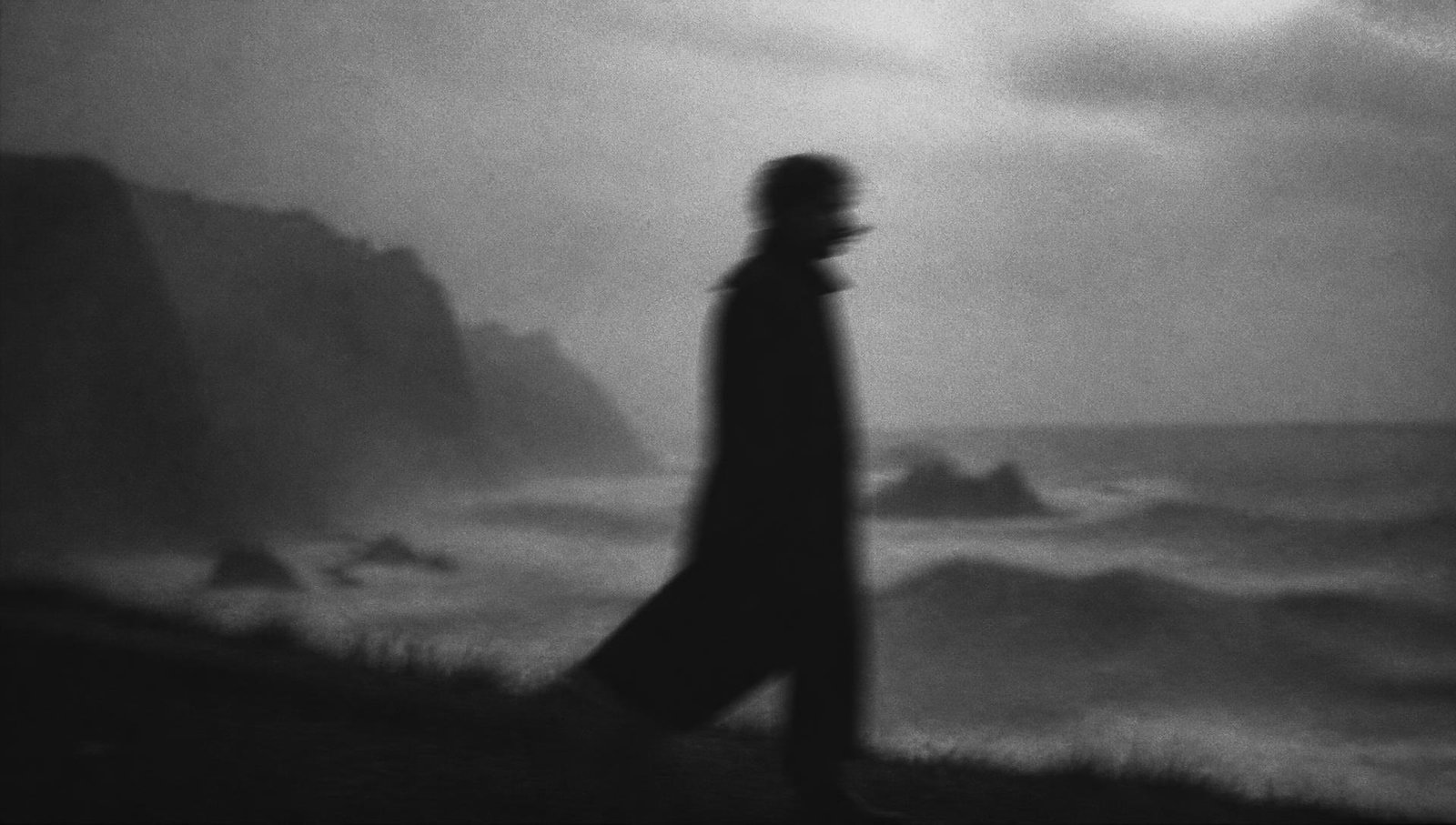
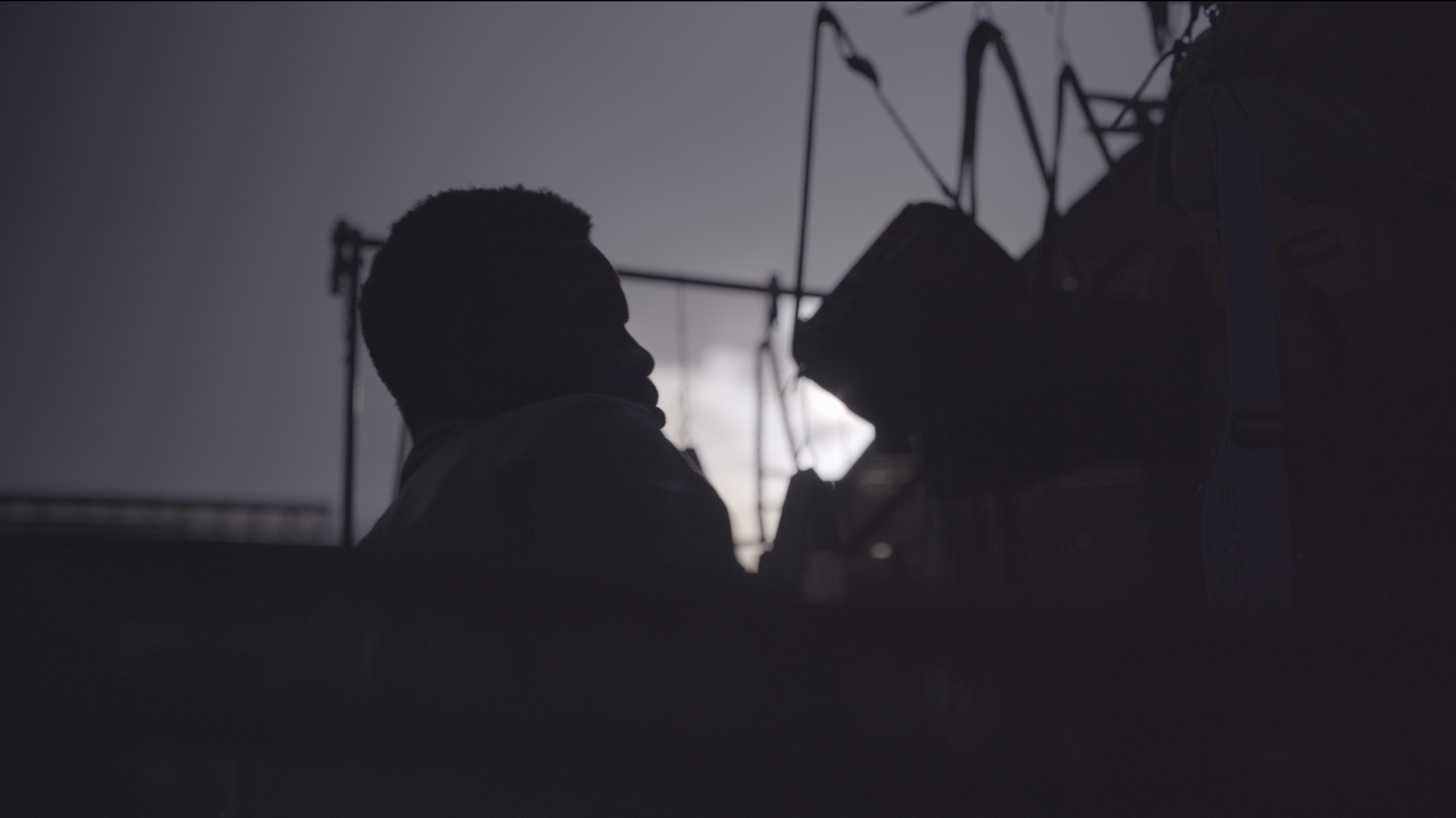
Entre Deux Eaux follows Pape through the quiet spaces of this waiting: the early mornings before work, the streets of Barcelona, the markets where he earns his living, Spanish classes, phone calls with his family, and long walks along the Catalan coast.
Rather than approaching migration through statistics or political discourse, the film stays close to one man and the invisible distance between the life he left behind and the life he is trying to build.
His journey across the Atlantic is not over. The physical crossing has given way to another kind of passage, one made of paperwork, uncertainty, memory and hope.
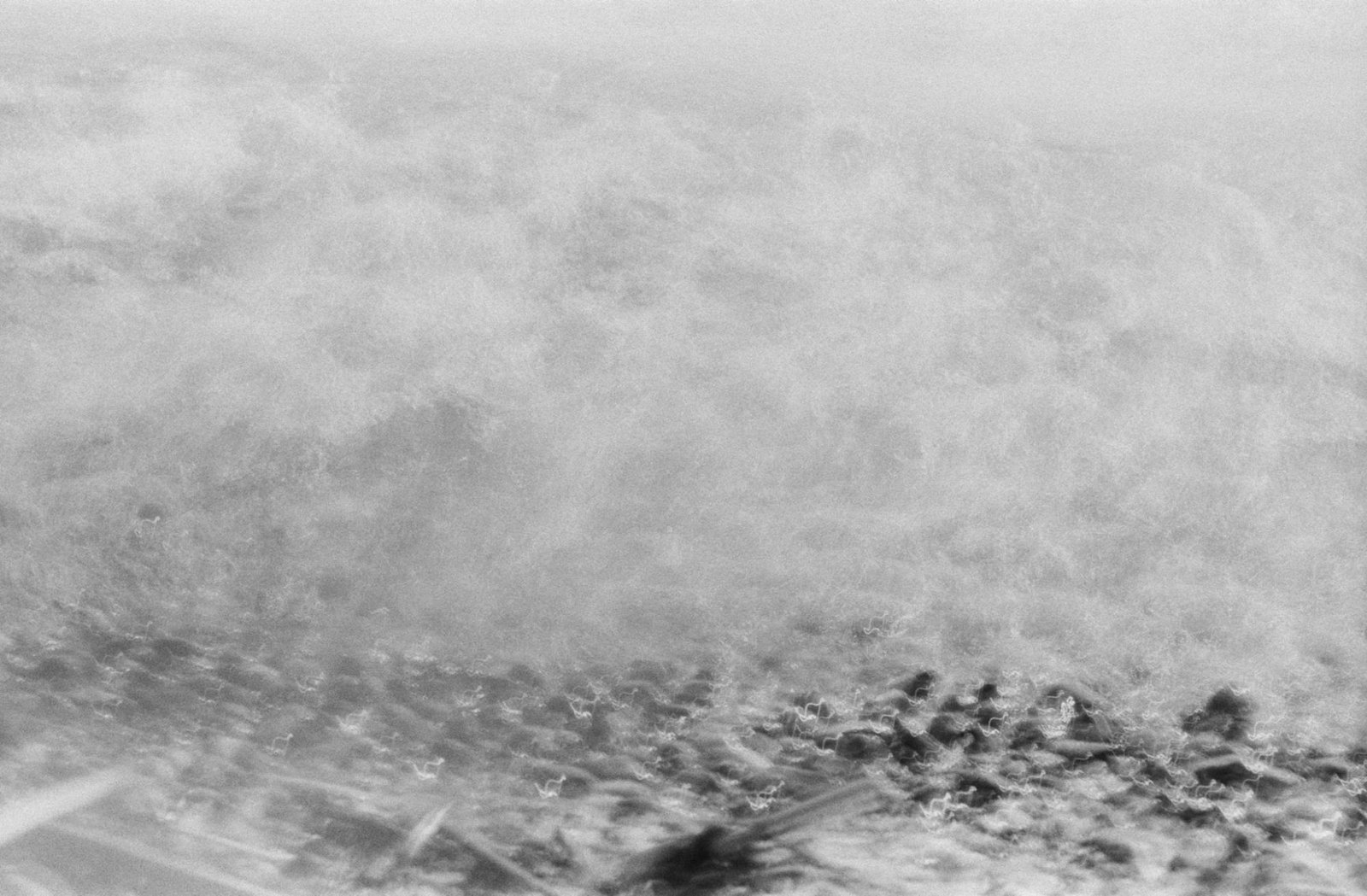
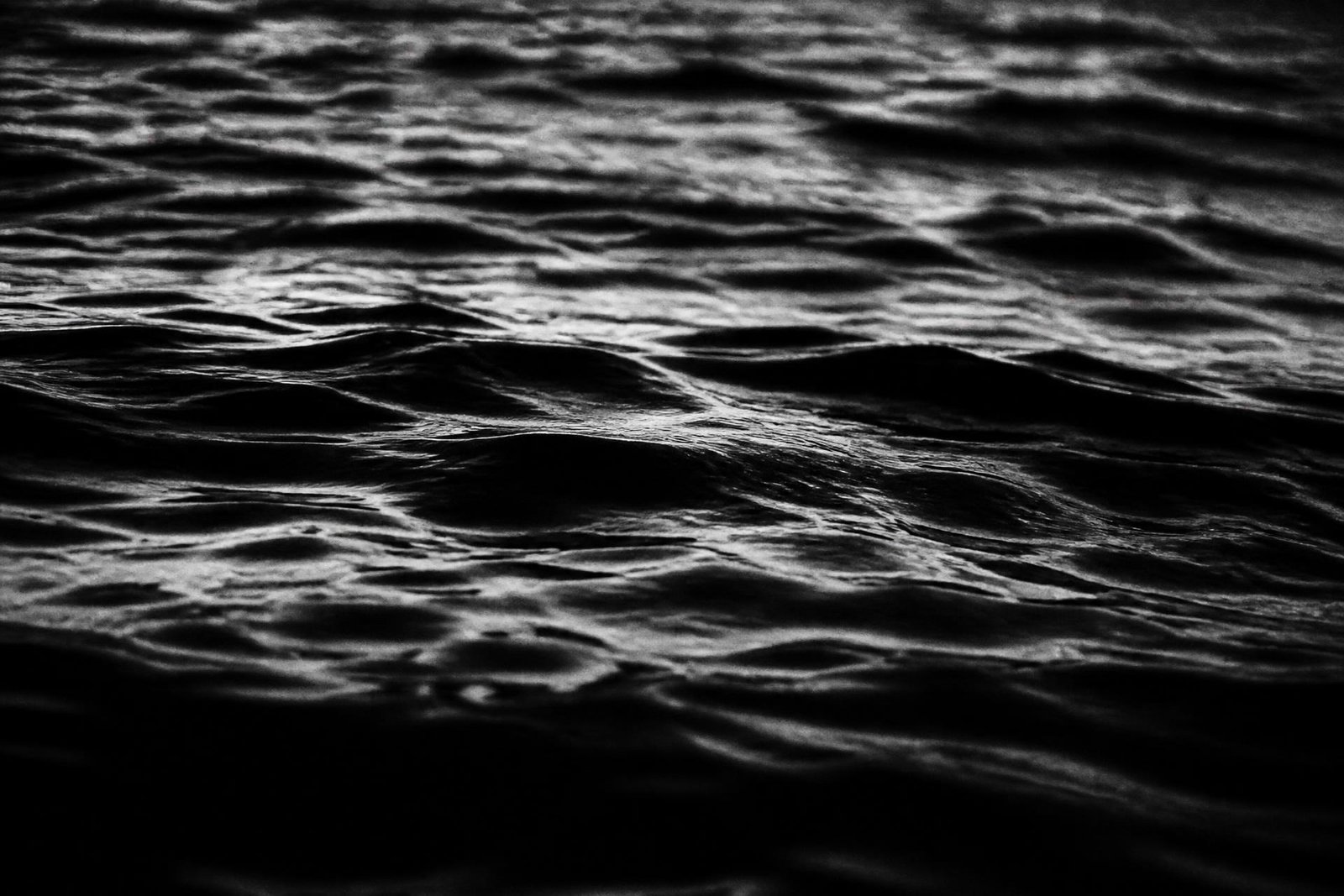
Water becomes a recurring presence throughout the film. The Atlantic he crossed remains connected to the Mediterranean and to the water surrounding his new home. It becomes a space between two lives, two countries and two versions of himself.
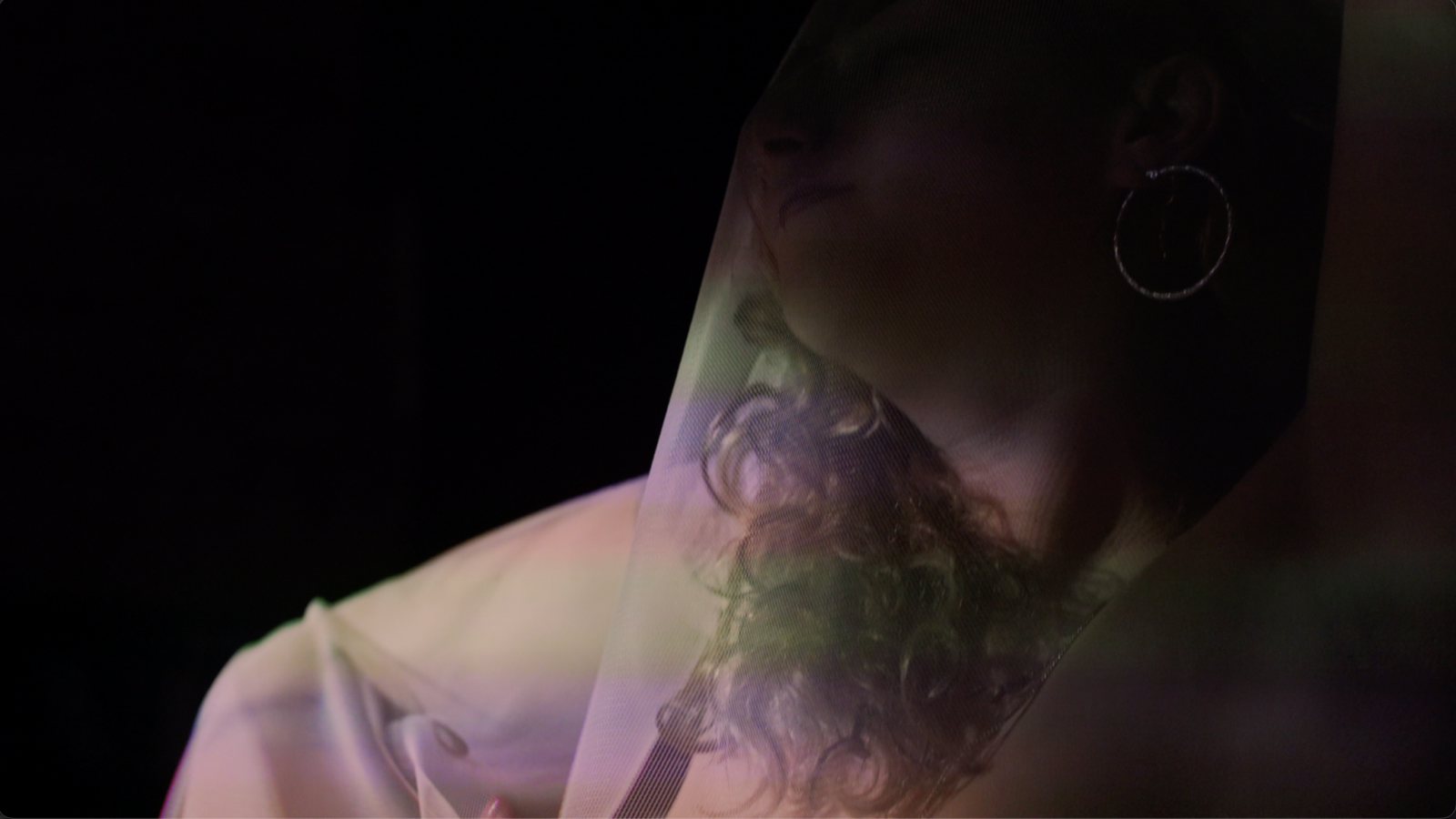
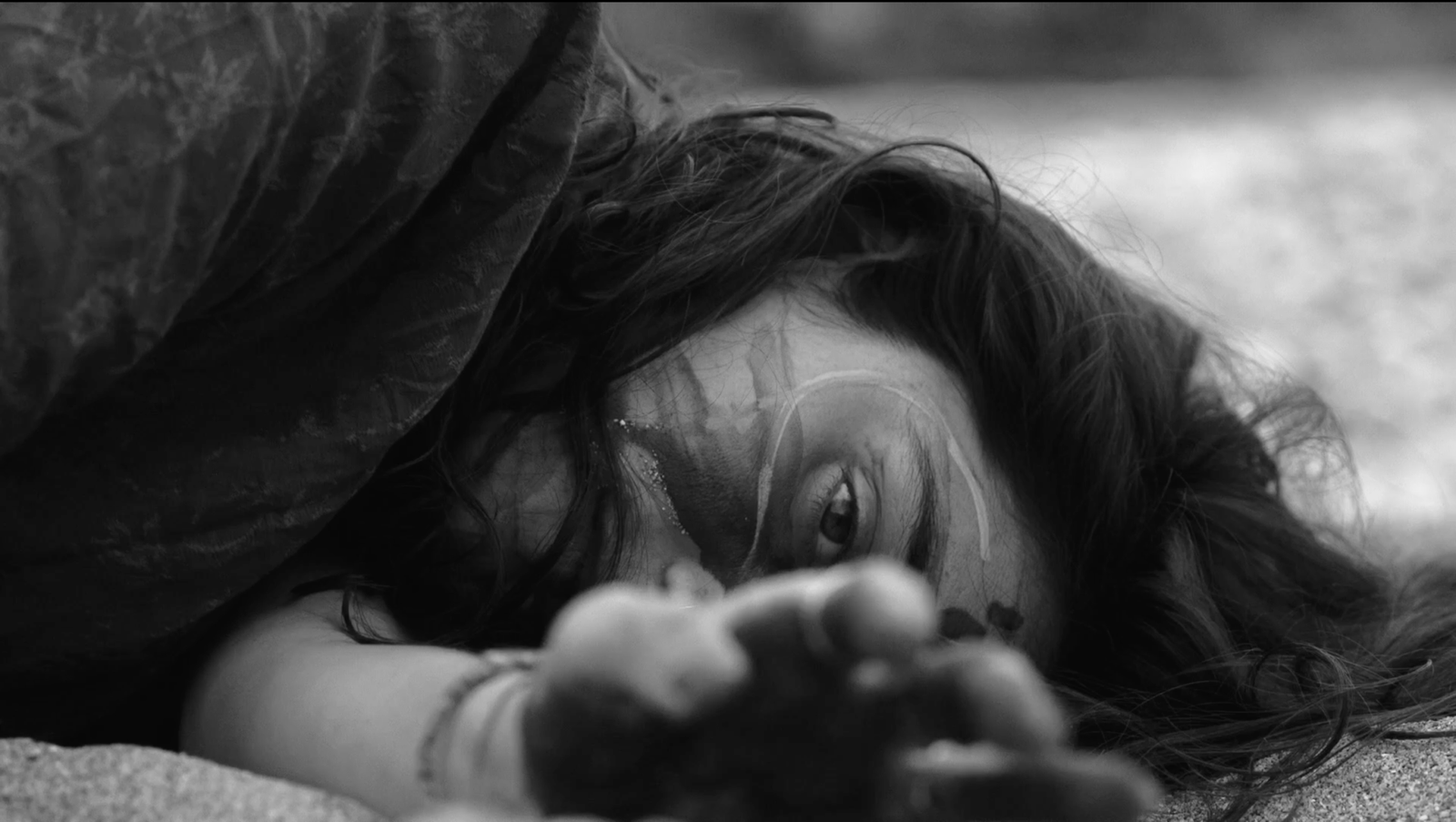
Through reflections, underwater imagery, layered projections and a contemplative visual language, the film moves between Pape’s present and the memories of Dakar. His voice becomes an intimate inner monologue, allowing the story to unfold from within rather than being explained from the outside.
At the centre of the film is a simple question: how do you build a future when the people you are building it for are still on the other side of the sea?